Market crashes are not unusual events. They are part of how financial markets reset excesses. What is unusual, however, is how unprepared most investors are when they occur.
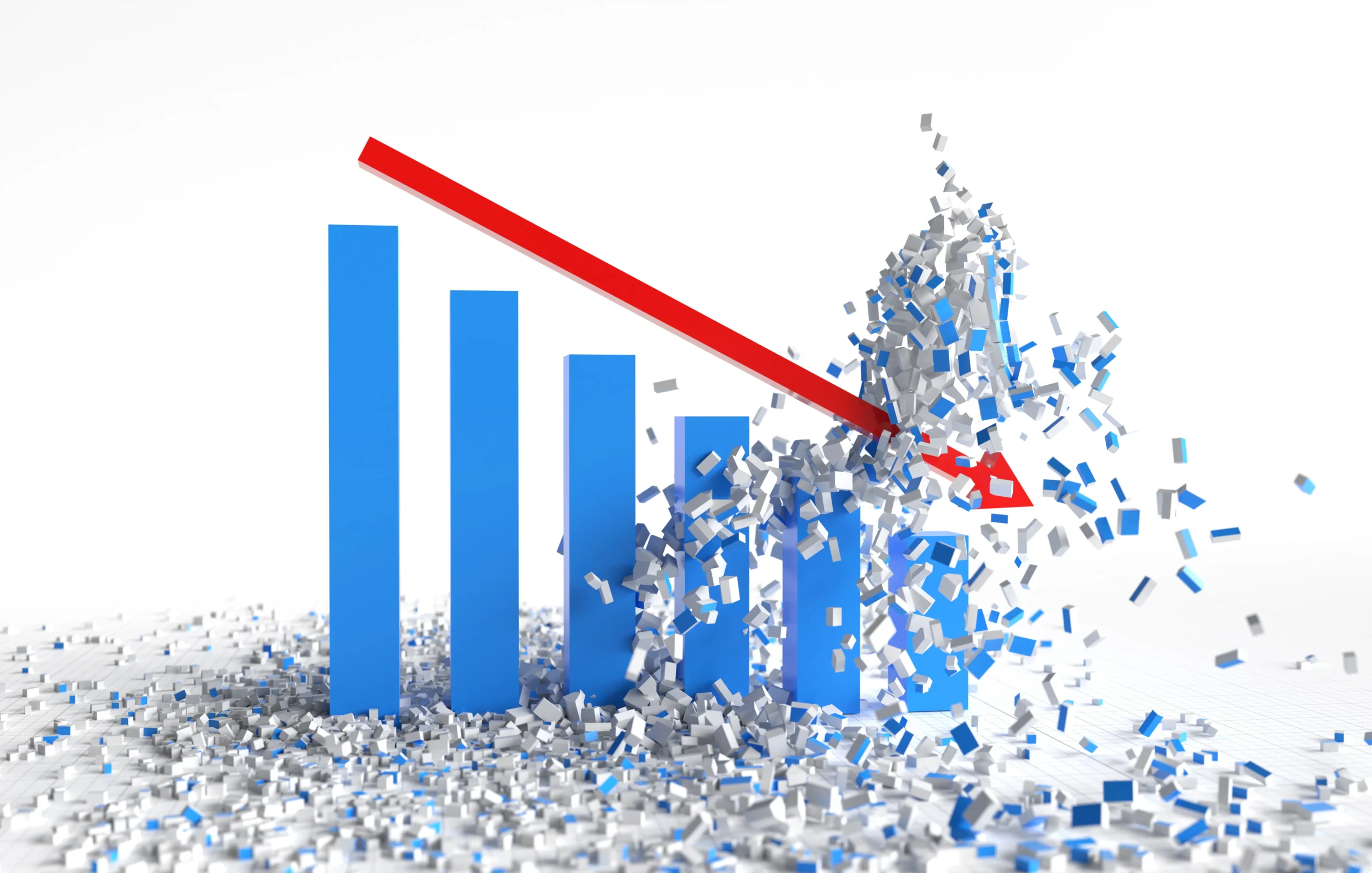
During a bull market, portfolios grow comfortably. Valuations expand. Risk feels invisible. But when a sharp correction hits — like in 2008, 2020, or even sector-specific downturns in India — portfolio values can fall rapidly. This decline from peak value to the lowest point before recovery is called a drawdown.
Drawdowns are not just numbers on a screen. They test discipline, distort decision-making, and can permanently damage long-term wealth if not managed correctly.
A 30% decline in a portfolio requires approximately a 43% gain to recover. A 50% fall requires 100% growth to return to the original value. That mathematical asymmetry is why managing downside risk is more important than maximizing upside return.
Today we explores structured, practical, and India-relevant strategies to manage portfolio drawdowns intelligently.
Understanding Drawdown vs Normal Market Volatility
Volatility refers to short-term price fluctuations. Drawdown refers to sustained capital erosion.
An investor may tolerate daily 1–2% market swings without concern. But when the portfolio shows a 20–30% decline over months, emotional reactions intensify.
The real danger of drawdown is not temporary loss — it is forced decisions:
- Selling long-term investments at depressed prices
- Breaking SIP discipline
- Moving entirely to cash
- Taking excessive risks to “recover losses quickly”
Drawdown management is therefore a combination of portfolio design and emotional preparedness.
The Structural Foundation: Asset Allocation
The strongest defense against severe drawdowns is strategic asset allocation.
Investors who allocate 100% of their portfolio to equities may experience significant capital erosion during crashes. While equities offer long-term growth, they are cyclical and can decline sharply in short periods.
A thoughtfully constructed portfolio in the Indian context could include:
- Large-cap equities
- Select mid-cap exposure
- High-quality debt instruments
- Gold or sovereign gold bonds
- Limited international diversification
For example, during the 2020 COVID crash, diversified portfolios that included gold and short-duration debt funds experienced shallower drawdowns compared to fully equity-oriented portfolios.
Asset allocation does not eliminate loss. It moderates the intensity of loss, allowing investors to stay invested and participate in recovery.
Liquidity as a Psychological and Financial Shield
One of the most overlooked drawdown management strategies is maintaining adequate liquidity.
When investors lack emergency reserves, they are often forced to sell investments during market stress to meet expenses. This transforms temporary market correction into permanent capital loss.
Maintaining six to twelve months of essential expenses in liquid instruments such as savings accounts or liquid mutual funds ensures:
- No forced selling during downturns
- Emotional comfort during volatility
- Ability to deploy capital strategically when valuations improve
Liquidity is not idle capital — it is defensive capital.
Rebalancing: Turning Market Falls into Strategic Opportunity
Rebalancing is not about predicting the market. It is about maintaining discipline.
Suppose your portfolio target allocation is 60% equity and 40% debt. During a crash, equity may fall and reduce to 50% allocation. Rebalancing involves gradually shifting funds from debt to equity to restore the target ratio.
This process achieves two objectives:
- It enforces buying at lower valuations
- It maintains risk alignment with long-term goals
Many investors hesitate to rebalance during downturns because fear dominates logic. However, systematic rebalancing has historically improved long-term risk-adjusted returns.
The Hidden Danger: Leverage and Margin Exposure
Drawdowns become destructive when leverage is involved.
In the Indian markets, margin trading and derivatives exposure can significantly amplify losses. During sharp corrections, brokers may trigger margin calls, forcing liquidation at unfavorable prices.
Even fundamentally strong portfolios can suffer catastrophic damage if leveraged excessively.
Drawdown management therefore begins before the crash — by avoiding overexposure during euphoric market phases.
Risk taken during bull markets often determines pain experienced during bear markets.
Quality of Holdings Determines Speed of Recovery
Not all declines are equal.
High-quality businesses with strong balance sheets, sustainable cash flows, and low debt tend to recover faster after market corrections. Speculative or overvalued stocks often take years to regain lost ground — if they recover at all.
During market crashes, weak companies are exposed. Investors who prioritize quality and governance experience more resilient portfolio performance.
Portfolio drawdown management is therefore closely tied to stock selection discipline.
Behavioral Discipline: The Invisible Strategy
Even the best portfolio structure fails if emotions dominate decisions.
Loss aversion causes investors to feel pain from losses more intensely than pleasure from gains. Herd mentality encourages panic selling when everyone else appears to be exiting.
Successful investors prepare psychologically before downturns occur. They accept that drawdowns are part of market cycles.
The difference between reactive and disciplined investors is preparation.
Reactive investors attempt to predict crashes.
Disciplined investors prepare portfolios to withstand them.
Advanced Risk Calibration During Extreme Valuations
Professional portfolio management also considers valuation levels.
When broader market indices trade significantly above long-term average valuation metrics, gradually reducing aggressive exposure can moderate future drawdowns.
Similarly, when fear dominates and valuations compress meaningfully, incremental allocation improves recovery potential.
This is not short-term market timing. It is risk calibration aligned with macro conditions.
Common Mistakes During Market Crashes
Investors frequently worsen drawdowns through avoidable actions:
- Selling fundamentally strong assets at cyclical lows
- Doubling down indiscriminately without reviewing business fundamentals
- Ignoring asset allocation drift
- Concentrating heavily in one sector or theme
- Attempting short-term speculative trades to recover losses quickly
Crashes reward discipline. They punish emotional reaction.
Why Capital Protection Accelerates Long-Term Wealth Creation
Compounding works effectively only when capital is preserved.
An investor who avoids a 50% drawdown does not need to earn 100% to recover. Smaller declines preserve momentum in long-term financial goals such as retirement or wealth transfer.
Risk-adjusted growth consistently outperforms erratic high-return strategies over extended periods.
Portfolio drawdown management is therefore not defensive thinking — it is intelligent growth planning.
Conclusion: Design for Survival, Not Just Growth
Market crashes will happen again. The timing is uncertain. The inevitability is not.
The purpose of drawdown management is not to eliminate risk. It is to structure portfolios so that downturns do not derail financial goals.
A strong portfolio framework includes:
- Strategic asset allocation
- Adequate liquidity buffer
- Controlled leverage exposure
- Quality-focused investments
- Disciplined rebalancing
- Emotional preparedness
At Techolic, we believe wealth creation is not about chasing maximum returns in good times — it is about protecting capital during difficult times. As a professional stock broker, our approach emphasizes structured portfolio construction, disciplined allocation, and long-term financial resilience.
Because in investing, the ability to survive downturns determines the ability to succeed in recoveries.